From Detail to Brand: One Dessert Shop's Packaging Upgrade Journey
July 02, 2026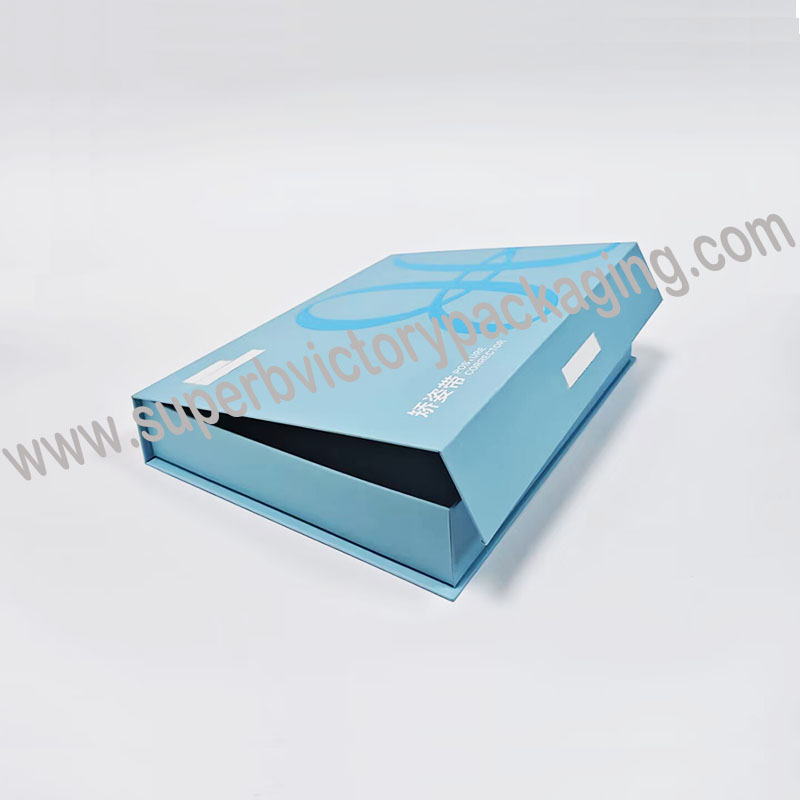
From Detail to Brand: One Dessert Shop's Packaging Upgrade Journey
Last autumn, I opened a handmade chocolate atelier in Shenzhen's Shekou district. At first, I believed that great product was everything—Belgian cocoa beans, French butter, Japanese matcha, each chocolate tempered for 72 hours. But three months in, my repurchase rate stubbornly refused to climb. Finally, a regular customer gently told me: "Your chocolates are delicious, but the chocolate box packaging is too ordinary. It feels a bit underwhelming when I give them as gifts."
That sentence woke me up. I began to realize that a gift packing box is never just a "container for stuff"—it's the first handshake between a brand and its customer, a silent ambassador of product value. So I embarked on a journey to explore packaging, and in doing so, gained a clear view of the entire industry's landscape.
Industry Trends: From "Parcel" to "Ritual"
Today's packaging industry is far from the crude era of "cardboard + tape." Rising consumer expectations and the e-commerce boom have given new life to traditional categories like corrugated packaging and folding box designs. Industry data shows that the global gift packaging market surpassed $20 billion in 2025, with magnetic flip-top boxes, foil stamping, and embossing becoming standard features in premium lines.
More importantly, sustainability is reshaping supply chains. More brands are demanding custom product packaging that balances aesthetics with eco-friendliness—using FSC-certified paper, soy-based inks, and biodegradable inserts. Meanwhile, localized sourcing has become a major trend. Searches for packaging supplies near me or packing materials near me have grown 40% year-over-year among small merchants, because local procurement saves on shipping costs and enables rapid restocking during peak seasons.
Product Applications: Every Category Has Its "Perfect Match"
In my search for packaging solutions, I visited over a dozen suppliers in Shenzhen and studied practices across different industries—and I learned a great deal.
Bakery & Confectionery is the field where "first impressions" matter most. A good cake packaging box must be shock-resistant, moisture-proof, and feature a display window so customers can see the intricate buttercream piping before opening. One cake shop owner I know customized a batch of cake packaging with clear PET windows and paired them with gold twist ties from their bakery packaging supplies—their average order value jumped 35%. Even takeaway boxes and takeaway packaging are now going "affordable-luxury"—with greaseproof coated paper and wood-pulp placemats, making a $6 cake slice feel like a Michelin dessert.
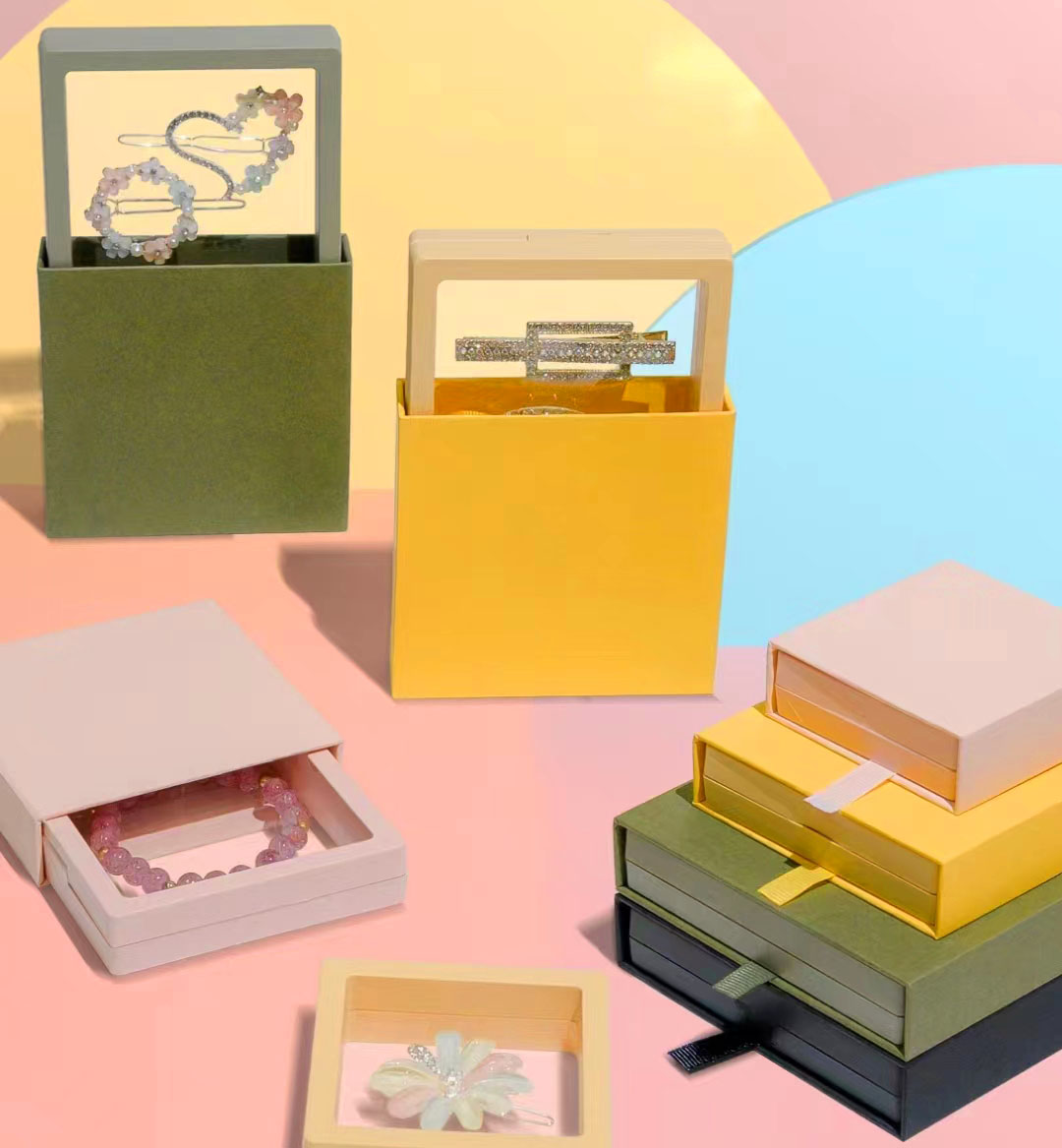
Chocolate & Giftware is where magnetic flip-top boxes truly shine. I eventually chose an Superb Victory Packaging-style magnetic lid box for my atelier—with built-in magnets that open and close smoothly, emitting a satisfying "click" when shut. This style is perfect for chocolate packing boxes (and yes, both phrases refer to these premium structures), with custom EVA trays or corrugated dividers inside to hold each chocolate securely. Customers tell me that opening the box feels like unboxing jewelry.
Daily Shipping & Warehousing cannot be overlooked either. We need large quantities of parcel boxes and carton boxes near me for daily orders, plus ample box tapebox tape and packing tape near me—these consumables run out fast, so I always buy in bulk from local distributors. When searching for cardboard boxes for packing, I prioritize five-layer corrugated, high-compression-strength models to ensure safe long-distance transit. Prices vary widely among wholesale boxes suppliers, so finding a reliable the box company for long-term partnership saves considerable hidden costs.
Personal Care & Light Industry products also have unique needs. Soap boxes may seem simple, but they require moisture resistance, ventilation holes, and vertical display capability. I helped a friend's cold-process soap studio design a windowed product boxes line with recycled pulp trays inside and natural-ingredient icons printed outside—customers commented they looked "like art pieces worth collecting."
Branding: How Small Businesses Win the Packaging Battle
For a small operation like mine, custom packaging for small business initially felt out of reach—high MOQs, expensive design fees, long lead times. But I later discovered that many packaging companies now offer "low-MOQ flexible customization." For example, the tiny box company specializes in serving artisan workshops, with MOQs as low as 50 units and free die-cut templates. Another option, is known for its online 3D preview tool, letting you see the finished look in minutes.
A special note on printed boxes: traditional offset printing suits large batches (5,000+ units), while digital printing makes "print-on-demand" possible. My first batch of magnetic gift boxes used digital printing—higher unit cost, but zero inventory pressure. I could reorder after selling out, keeping cash flow flexible. I also use fedex flat rate box as a supplement for long-distance shipments—as long as weight stays within limits, shipping costs are fixed, perfect for sending gift orders to remote areas.
The ultimate goal of brand packaging is to make customers want to photograph and share it on social media. To that end, I printed a handwritten thank-you note on the box bottom and added custom stickers on the gift box packaging seal. These small details cost little but make the unboxing experience delightfully memorable.
Art: Packaging as a Three-Dimensional Brand Portfolio
From an artistic perspective, packaging sits at the intersection of function and beauty. The clean lines of a magnetic flip-top box, the warm touch of matte lamination, the subtle sparkle of spot UV—all tell a story of "restrained elegance." A folding box can be die-cut into unique shapes—hexagons, hearts, book-style forms—each conveying a different emotional tone.
I once saw an illustrator friend print her Shenzhen cityscapes on product boxes, turning each box into a miniature artwork. Customers would keep the boxes as storage containers or decorative pieces after using the product. This "second life of packaging" concept is becoming a new trend among independent brands.
Practical Tips: How to Find the Right Packaging
Finally, here are some tips for anyone searching for packaging solutions:
Start local. Search for packing tape near me or carton boxes near me—you'll often find same-day or next-day suppliers that can solve urgent needs.
Test small batches. Don't overcommit on your first order—start with 100 units to gauge market response before scaling up.
Check compliance for food-contact materials. Food packing container and burger boxes that directly touch food must meet safety standards—always request test reports.
Clarify all costs. Ask whether die-cut fees, plate fees, and shipping are included—some wholesale boxes quotes look low but have hidden add-ons.
For high-frequency consumables like burger boxes and takeaway containers, find a local supplier for long-term replenishment to avoid cross-province logistics headaches.
Today, my chocolate atelier is on its third packaging iteration. From plain white cardboard boxes to custom magnetic flip-top lids with silver foil logos and traceable paper materials, every upgrade has been accompanied by sales growth. Packaging is not a cost—it's an investment. It makes your product speak for itself. And when you find the right packaging partner, you'll realize that one box can truly change a brand.